Beyond the Window Width: Calculating Fullness for a Flawless Curtain Drape

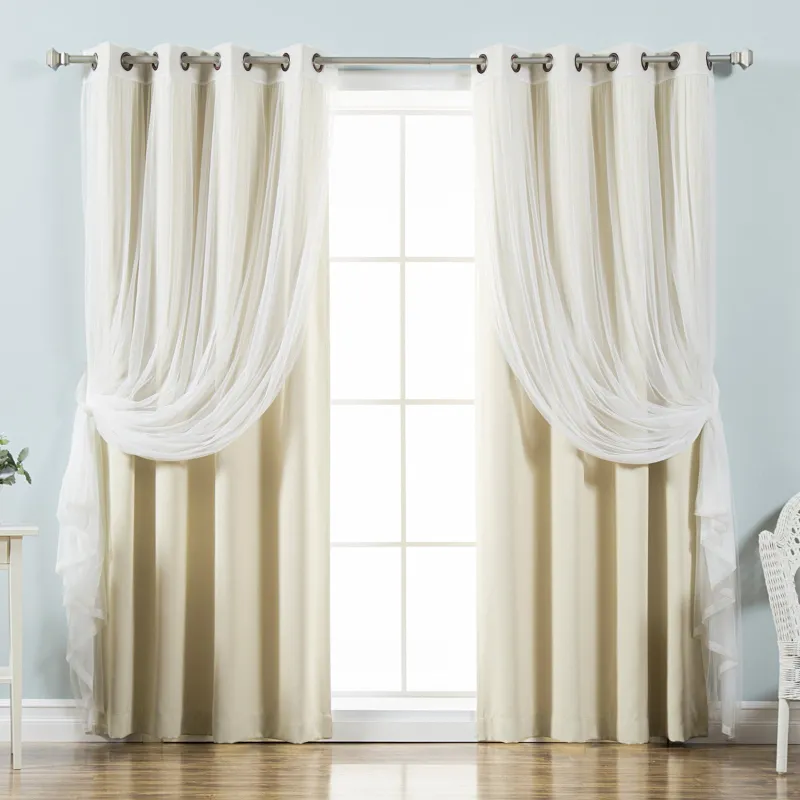
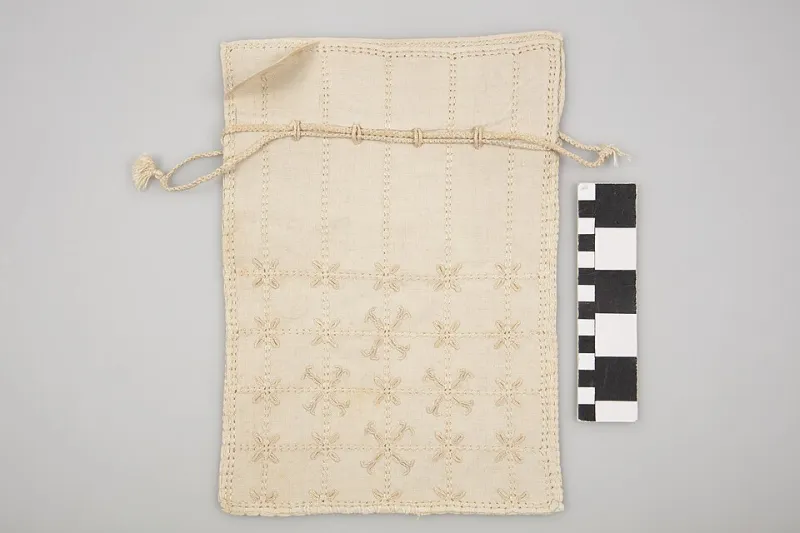
Photo: curtain fabric swatches gather ratio made to measure interior, via 1.bp.blogspot.com
Fullness is the quiet arithmetic behind every well-tailored curtain. Before fabric, colour or heading is settled, the ratio of fabric width to window width determines whether a curtain falls in calm, vertical folds or hangs with a flat, mean-spirited line. For homeowners in Midhurst and across Sussex, where period windows and contemporary extensions often sit side by side, that decision has consequences for drape, privacy, insulation and budget. It deserves to be made deliberately rather than inherited from habit.
Why fullness deserves early attention
A curtain is not a flat sheet sized to a window; it is a three-dimensional object built from folds. The gather ratio — sometimes called the fullness ratio — expresses how much fabric is used relative to the track or pole width. A ratio of 2:1 means that a 150cm track receives 300cm of fabric before pleating. The resulting folds affect how the curtain stacks when drawn, how much light and draught it excludes, and how substantial the window feels within the room. Specify too little and the curtains can look strained; specify too much and the window may become heavy, costly and difficult to dress neatly.
The common gather ratios and what they deliver
There is no universal ratio, but a few standards provide a useful starting point.
- 1.5:1 creates a shallow, contemporary fold. It suits compact windows, sheer fabrics and interiors where a minimal line is wanted, but it offers limited privacy and insulation.
- 2:1 is the familiar middle ground for pencil pleat and many made-to-measure headings. It gives a balanced drape without excessive bulk.
- 2.25:1 to 2.5:1 is often chosen for pinch pleat, goblet pleat and formal interiors. The folds are fuller and more regular, which suits tall sash windows and period rooms.
- 3:1 produces a luxurious, densely gathered curtain, but it demands more fabric, stronger hardware and careful dressing. It is rarely necessary in small or low-ceilinged rooms.
These figures are starting points, not rules. A wave heading may require a different calculation from a triple pleat; a short cottage curtain may look overwhelmed by the same fullness that flatters a drawing-room window.
Fabric weight, weave and pattern repeat
The fabric itself changes the arithmetic. A lightweight linen or voile at 2.5:1 may hang beautifully, while a heavy wool or velvet at the same ratio can produce folds that are difficult to train and bulky at the stack. Heavier fabrics often work better with slightly reduced fullness, provided the heading and lining are specified to support the drape.
Pattern repeat is the other hidden multiplier. A large floral or tartan repeat requires additional fabric to match across the seams, and that extra metreage must be planned alongside the gather ratio. A small-scale pattern is more economical; a large repeat can make a generous ratio prohibitively expensive. Interlining and blackout linings add body and performance, but they also add bulk, so the ratio should be agreed with the making method in mind.
Privacy, insulation and the question of budget
Fullness is not only an aesthetic choice. Deeper folds overlap more generously at the centre and offer a better barrier to light, draughts and sound. In a Sussex home exposed to prevailing weather, well-lined curtains with sensible fullness can make a noticeable difference to comfort, particularly on older windows that are not double glazed. Yet every additional width of fabric has a cost: in the fabric order, in the making, and sometimes in the hardware required to carry the weight. The aim is not maximum fullness but appropriate fullness.
Getting the specification right for Sussex homes
Midhurst and its surrounding villages contain an unusually varied housing stock: timber-framed cottages, Georgian sash windows, Victorian bays and modern extensions with wide glazing. Each calls for a different balance. A low cottage window may need a shorter drop and a restrained ratio to avoid a congested look; a tall period window can carry a fuller curtain that emphasises its height. The most reliable approach is to discuss the window, the room and the intended use before the fabric is chosen. In 2026, with fabrics and making costs both to be considered, specifying fullness deliberately is one of the simplest ways to secure a tailored result that looks considered rather than merely covered.