The Shape Beside the Window: Judging Tiebacks on Fabric, Proportion and Purpose
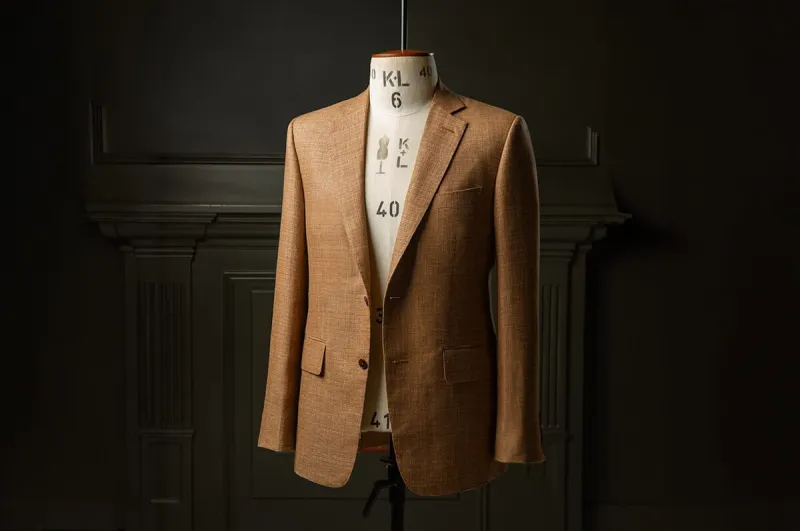
Photo: bespoke linen curtains with brass holdbacks in a period Sussex home window, via bespoke.ae
In bespoke curtain work, the tieback tends to arrive at the end of the conversation. Fabric, heading and lining have usually been settled; the hardware is chosen once the curtains are nearly ready to hang. Yet a tieback is not a finishing touch in the decorative sense. It changes the geometry of the window. It decides whether the cloth sits in calm vertical lines or is drawn into a deliberate curve, and it influences how much light reaches the room, how clearly a view is framed and how easily the curtains are used each day.
For homeowners in and around Midhurst, the question is rarely a simple matter of preference. Sussex houses present a wide range of window types, from deep-set period openings and sash windows to modern glazing and garden-facing rooms. The right answer depends less on fashion than on the fabric itself, the proportions of the opening and the way the room is lived in.
What a Tieback Actually Does
A tieback or holdback introduces a waistline. It gathers the curtain at a chosen height and releases the fabric above and below, creating a shape that is more formal and more architectural than an unrestrained fall. In a room where the window has something worth revealing — an architrave, a shutter rebate, a moulded cornice or a carefully considered view — that gathering can be instructive. It pulls the cloth aside and lets the architecture speak.
There is also a practical dimension. A held-back curtain keeps fabric away from handles, radiators and circulation routes. In a dining room or drawing room, it can make the window feel dressed without allowing the curtains to dominate. In a bedroom, it may simply make it easier to open the curtains fully and let in morning light.
The clean fall, by contrast, is quieter. It relies on the weight and length of the fabric to create its own line. Nothing interrupts the vertical drop. For contemporary interiors, full-height windows and rooms where calm is the guiding principle, that restraint is often the more accomplished choice.
Fabric Weight Sets the Terms
The first consideration is always the cloth. A heavy wool, velvet or interlined curtain has considerable body. Gathered into a tieback, it can look generous and sculptural, but it also places strain on fixings and may resist a tight cinch. The gather should be loose enough to preserve the drape rather than crush it. A heavy curtain that is pulled too tightly can look like a bundle rather than a tailored fall.
Lighter fabrics behave differently. Linen, silk and fine cottons can be gathered neatly, but they crease readily and may retain a memory of the tieback when released. A relaxed holdback, rather than a narrow tie, often suits them better. The lining matters too: a lightweight face fabric with a substantial lining will have more presence at the gather, while an unlined sheer will need a gentler approach altogether.
In bespoke work, it is worth testing the fabric in the hand before committing to a tieback. A sample length gathered with a ribbon will show whether the cloth wants to fold softly or whether it prefers to fall straight. That small experiment is more reliable than a photograph.
Window Proportion and the Line of the Room
Tiebacks change apparent proportion. On a tall sash window, a gather placed at the wrong height can cut the opening in two. Positioned with care, it can emphasise the verticality of the window and make the surrounding wall feel better balanced. On a wide window, a held-back curtain can prevent the fabric from becoming a solid wall of cloth; on a narrow one, an unrestrained fall may make the opening feel taller and less interrupted.
Bay windows require particular thought. A tieback at each edge can interrupt the continuous sweep of a bay, but omitting them may allow the curtains to obscure the angles of the recess. Often the most successful solution is selective: holdbacks on the outer curtains, a freer fall in the centre, or a consistent shape that follows the bay without fighting it.
French doors and garden-facing windows introduce another test. Here, the view has a strong claim. A tieback can frame the garden beautifully, drawing the eye outward and keeping the fabric clear of the glass. Yet if the view is broad and the curtains are heavy, a clean fall at each side may feel more generous and less contrived.
When Gathering Earns Its Place
A gathered curtain earns its place when it performs a clear role. It may reveal period detailing, keep cloth away from a doorway, frame a favourite view or bring a note of formality to a room that benefits from it. In a Sussex farmhouse or a Georgian townhouse, a simple tieback in a compatible metal or matching fabric can feel entirely at home. The key is that the shape should look intentional rather than applied.
Formal rooms often carry tiebacks well, particularly where the curtains are interlined and the heading is full. The gather adds a considered shape that complements furniture and architecture. In such settings, a holdback fixed to the wall or architrave can be preferable to a soft tie, because it gives a crisper line and avoids a loop of fabric hanging loose.
When a Clean Fall Is Better
There are many rooms where the unrestrained curtain is the more persuasive choice. Modern interiors with ceiling-fixed tracks, wave headings and minimal detailing rarely benefit from a tieback. The continuous line of the track and the even fall of the fabric are part of the design; a holdback can look like an interruption.
A clean fall also suits rooms where the curtains are opened and closed frequently. There is no tie to unfasten, no fabric to arrange and no risk of repeated creasing at the same point. For homeowners who value ease of operation, allowing the curtains to stack neatly at the sides can be both practical and visually calm.
Strongly patterned fabrics can be another argument for restraint. A tieback distorts the repeat and changes the way a pattern reads across the window. If the fabric has been chosen for its rhythm, it may deserve to hang undisturbed.
The Period Detail and the Modern Interior
Period homes often invite tiebacks because the windows were designed with shutters, deep reveals and decorative architraves. A restrained holdback can reveal those features rather than conceal them. But period detail does not require a period reproduction. A slim brass or bronze holdback may sit more comfortably in a Sussex home than an elaborate tasselled tie, particularly where the aim is to complement rather than recreate.
In modern interiors, the case for restraint is stronger. Where the architecture is quiet, the curtain should usually be quiet too. If a tieback is used, it should be simple and well proportioned, perhaps a leather strap or a slender metal hook, so that it reads as part of the window rather than an added ornament.
Practical Points Before Choosing
Before committing, consider the fixing. Holdbacks must be secure, especially with heavy or interlined curtains, and they should be positioned so that the fabric is not pulled into an awkward shape. A temporary ribbon tied in the room is the best way to judge height and tension. Observe the window at different times of day, when light and shadow alter the effect.
Think also about maintenance. A curtain held at the same point for months may develop a crease or a mark. Rotating the tieback position slightly, or using a loose gather rather than a tight one, helps preserve the fabric. In homes with young children, avoid long cords or loops that could become a hazard; rigid holdbacks or simple fabric ties are usually safer.
A Decision Made in the Room
The tieback question is best answered in situ. A bespoke curtain is made for a particular window, and the choice between holding back and letting fall should follow from that relationship. In some Sussex rooms, a gentle gather will frame the view and reveal the architecture with real elegance. In others, the most refined result will be no tieback at all: just well-made curtains falling cleanly to the floor. Both are valid. The discipline lies in choosing the one the room actually asks for.