After the Final Hem: A Discerning Use for Curtain Offcuts in Sussex

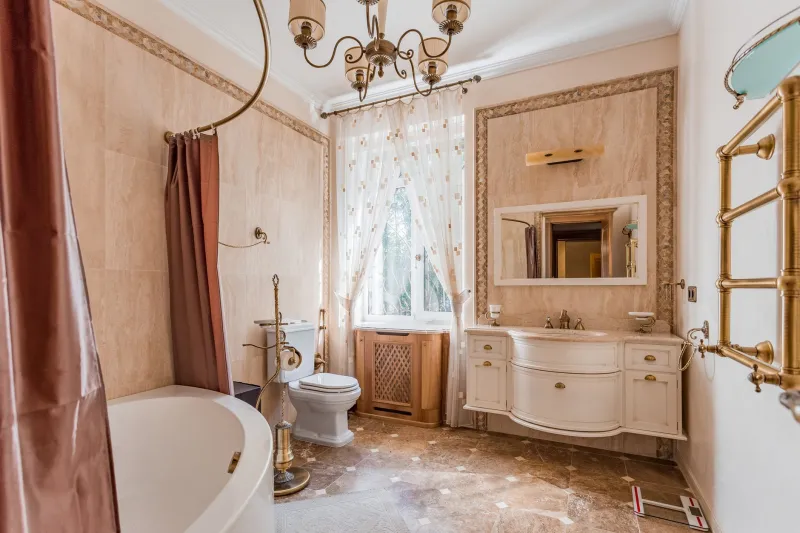
Photo: leftover curtain fabric made into cushions and lampshade in traditional Sussex sitting room, via img.freepik.com
When a bespoke curtain commission reaches its final hem, the workroom rarely returns an empty shelf. Between the lengths cut for a pair of full-gathered curtains, the allowance consumed by a large pattern repeat and the reserve held back for turnings, a useful quantity of cloth often survives. For homeowners in Midhurst and the surrounding Sussex villages, those remnants present a quiet choice: storage against an uncertain future, or a considered second life elsewhere in the house. The latter, handled with discipline, can be the more rewarding.
Planning Begins at the Sample Stage
Offcuts are not an afterthought; they are a consequence of planning. The sample stage, when fabric is assessed against the light and against the room, is also the moment to discuss what will remain. A curtain maker can estimate the usable residue once the principal lengths have been cut and the pattern has been aligned. That estimate is more reliable than a hopeful guess made after installation.
It is worth deciding then whether any secondary pieces are wanted. If a pair of cushions or a lampshade is a genuine ambition, the fabric order should include a deliberate reserve rather than depend on chance. A metre or two added at the outset is simpler than hunting for a discontinued cloth later. The same dye batch will also be secured, which matters more than many homeowners expect: cloth from a different dye lot can sit uneasily beside the curtains even when the design is identical.
Estimating What Is Actually Usable
Leftover fabric is rarely a neat rectangle. Pattern repeats consume length, borders and rails reduce width, and the usable area is often smaller than the raw metreage suggests. The first task is a frank inventory. Measure the largest continuous piece, note the fabric width, and record whether the pattern can be matched across a seam. Cushion fronts generally require an uninterrupted panel; cushion backs can be a plain linen or a quieter complementary cloth. Lampshades need a panel large enough to wrap a frame without a distracting join. Piped tiebacks and bound edges can be made from bias strips cut from smaller remains.
A simple label attached to the roll — fabric name, colourway, dye batch, approximate usable metreage — will save time later. Store the cloth flat or rolled rather than folded sharply, and keep it away from damp. In older Sussex properties, where storerooms and lofts can be cool and variable, a breathable cotton bag is preferable to a sealed plastic cover.
Secondary Pieces That Earn Their Place
The most familiar use is the cushion, and it remains the most successful when practised with restraint. Two cushions in the curtain fabric, perhaps with a plain reverse and a piped edge, will read as a deliberate accent. A room filled with matching cushions begins to look like a fabric showroom. Seat pads for a window seat, a hall bench or a set of dining chairs are another sensible outlet, particularly where the curtain fabric is robust enough to tolerate handling; a firm interlining will give the pad structure.
Lampshades are a more exacting proposition. The cloth must be fine enough to wrap cleanly, light enough not to distort the frame and, ideally, lined to soften the glow. A plain drum shade in the curtain fabric can be handsome in a bedroom or study, but it should not compete with the curtains for attention in the same sightline. Piped tiebacks, covered buttons and simple bound edges are small projects that use narrow remains well. It is also worth setting aside a repair length: a spare panel from the same bolt is invaluable if a curtain is later marked, snagged or faded unevenly.
Cohesion Without Uniformity
The aesthetic aim is continuity, not duplication. A remnant carried into an adjacent room can be quietly effective when the two spaces are seen together — a glimpse through a doorway, a shared landing — but the full scheme should not be repeated piece for piece. One useful rule is to let the curtain fabric appear only once more in a room, and then in a different form: a cushion rather than a second pair of curtains, a lampshade rather than a valance. Pairing the remnant with neutral linen, wool or rattan allows the pattern to breathe.
In a period Sussex home with several windows, it is often better to reserve the offcuts for a smaller adjoining room than to spread them thinly across the principal reception room. A snug, a bedroom or a boot room can carry a stronger repeat of the fabric without unsettling the main scheme. The result should feel familial rather than uniform.
A Repair Fund in Cloth
Even homeowners who have no interest in cushions should keep a labelled length of every curtain fabric. Sun exposure, cleaning and everyday use alter cloth over time, and a patch cut from the original bolt will always sit more convincingly than a later purchase. The reserve need not be large: enough to replace a damaged leading edge, a tieback or a small section of lining is usually sufficient. It is a modest form of insurance, and one that costs nothing beyond the space of a shelf.
Practicalities for Sussex Rooms
Local conditions deserve a word. Strong light through a south-facing bay will fade any fabric used for cushions or lampshades, so rotation and linings are sensible. In rural properties, dust and pet hair settle readily on textured weaves; removable cushion covers are easier to maintain than fixed seats. Near the coast or in older houses with variable humidity, breathable storage matters. None of these points argues against using the remnants; they simply argue for choosing the right secondary piece for the room.
Ultimately, the offcut is a small test of judgement. Used sparingly, it can tie a scheme together, provide a practical reserve and lend a house the quiet sense of having been considered as a whole. Left in a cupboard, it does neither. The difference lies in the decisions taken long before the final hem.