The Architecture of a Curtain Top: Choosing Headings for Sussex Interiors

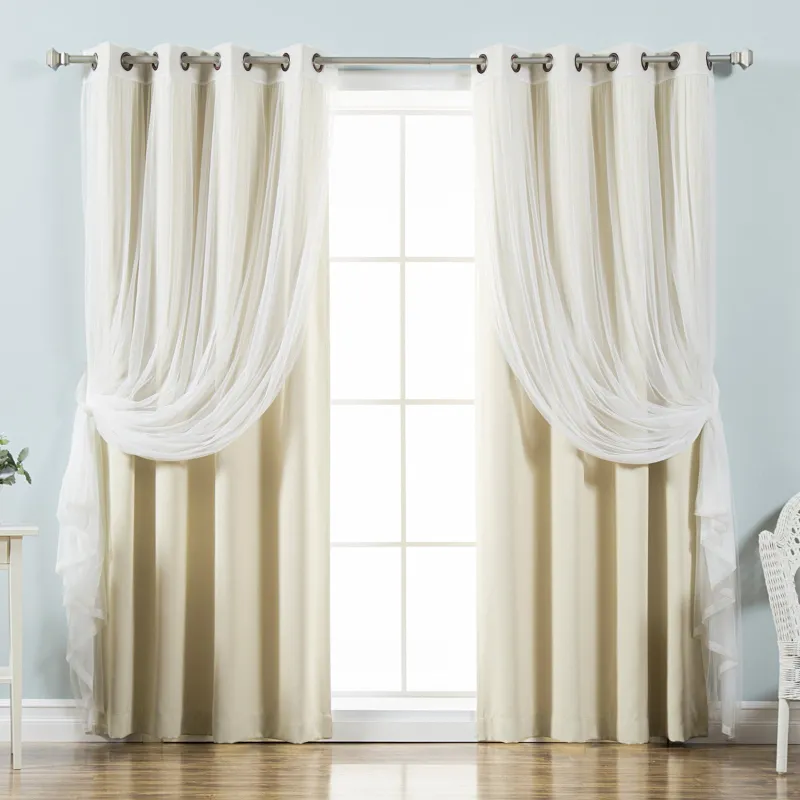
Photo: bespoke curtain headings pinch pleat wave eyelet in a Sussex period home, via logolook.net
Curtain headings are frequently treated as the last decision in a scheme, once the fabric has been chosen and the measurements agreed. In practice, the heading is one of the first things that should be settled. It alters the silhouette of the window, the amount of fabric required, the way light is controlled and the type of pole or track that will be needed. In Midhurst and across West Sussex, where tile-hung cottages, Georgian townhouses and contemporary glass extensions often sit close together, that choice should respond to the architecture rather than to whatever happens to be displayed on the high street.
Why the heading deserves attention first
A heading is both a practical mechanism and a visual device. It gathers or folds the fabric at the top of the curtain, and in doing so it governs the character of the whole window. A deeply gathered heading can make a modest room feel more generous, while a flat and minimal treatment can allow a modern interior to remain quiet. The heading also affects stack-back: the space the curtains occupy when drawn open. In smaller Sussex rooms, where radiators, furniture and doorways compete for space, a bulky stack can be as consequential as the fabric itself.
Light control is another consideration. Some headings sit close to the ceiling and reduce the gap at the top of the window; others leave a more visible line of light. The right answer depends on whether the room is a bedroom requiring darkness, a sitting room where softness matters more than precision, or a garden room where the view should remain as unobstructed as possible.
Pencil pleat: the practical all-rounder
Pencil pleat remains the most adaptable choice for many homes. The pleats are formed with a heading tape, producing a series of narrow, upright folds that can be adjusted when the curtains are hung. It suits informal sitting rooms, spare bedrooms and family spaces where curtains are opened and closed daily. Pencil pleat works with both tracks and poles, and it is often the most economical way to achieve a full, traditional look.
The compromise is that pencil pleat can appear less tailored than hand-finished alternatives. The gathering is relatively soft, and the stack can be bulky if the curtains are generously made. For a period cottage, it can be entirely appropriate in a secondary room; for a principal reception room, a more formal heading may give a cleaner line.
Pinch pleat: tailored formality
Pinch pleat, particularly the triple pinch pleat, offers a more structured top edge. The fabric is gathered into stitched pleats at regular intervals, creating crisp folds and a neat, upright appearance. It is a natural partner to period architecture: sash windows, tall ceilings and rooms where the curtain is intended to read as part of the joinery and decoration rather than as a loose addition.
Pinch pleat generally provides a controlled stack-back and good light control when combined with a suitable track or pole. It benefits from proper interlining, which gives the pleats body and helps the curtains hang cleanly. It is less forgiving of lightweight, unstable fabrics, and it requires accurate making. For a Sussex cottage with uneven walls or a low ceiling, the proportions must be considered carefully so that the heading does not overwhelm the window.
Wave: the contemporary solution
Wave headings create a continuous, even run of soft folds rather than individual pleats. The effect is calm and architectural, and it suits modern extensions, wide openings and rooms where a minimal aesthetic is desired. Wave curtains are usually hung from a dedicated track with gliders, and the regularity of the folds depends on precise calculation of fullness and spacing.
The advantages are a slim stack-back, a clean line at the top of the window and a sense of quiet order. Wave headings are particularly effective where a curtain is to be drawn across a large expanse of glass, such as a garden room or a contemporary rear extension. The hardware must be specified correctly, and the track should be chosen with the same care as the fabric. A wave heading will not perform at its best on an unsuitable pole or with insufficient fullness.
Eyelet: relaxed and informal
Eyelet headings are formed by metal rings set into the top of the curtain, through which a pole is threaded. The result is casual and accessible, with broad, soft folds and a relatively simple stack at either end of the pole. Eyelet curtains suit relaxed bedrooms, children's rooms and modern interiors where a little informality is welcome.
The limitations should be recognised. Eyelets require a pole rather than a track, and they can allow more light to pass above the curtain than a pleated heading. They are less suited to formal period reception rooms, where the exposed rings and casual folds may feel out of step with the architecture. On a very wide window, the stack at each side can also be substantial unless the curtains are carefully planned.
Goblet: decorative and traditional
Goblet headings are hand-pleated and shaped at the top, often with a deep, decorative fold that is gathered into a stem. They are a formal choice, well suited to drawing rooms, principal bedrooms and interiors where the curtain is intended to make a statement. Goblet headings require generous fullness and a suitable pole with finials, and they are best executed in a fabric with enough weight to hold the shape.
They offer an elegant stack-back and a strong period character, but they are less practical in busy family rooms. Dust can collect in the deep folds, and the heading is less easily adjusted than a taped construction. For a listed cottage or a Georgian townhouse in the Midhurst area, however, a goblet heading can provide exactly the note of ceremony that the room requires.
Matching the heading to the house
For a period cottage, the safest approach is usually a pinch pleat or goblet heading in the principal rooms, with pencil pleat in secondary spaces. Modern extensions tend to benefit from wave headings or, in more casual rooms, eyelets. Everyday family rooms need a heading that is robust, easy to operate and not overly fussy; pencil pleat and wave both perform well when specified with the right lining and hardware.
The final decision should bring together the age of the building, the purpose of the room and the way the curtains will be used. A made-to-measure curtain is not simply a length of fabric; it is a piece of joinery in soft form. Choosing the heading with the same care as the fabric will give a Sussex home curtains that look as though they belong there.